

Introduction
Diesel generators are a crucial source of power in various industries, providing reliable energy in remote locations and during emergencies. However, operating a diesel generator at high altitudes presents unique challenges due to reduced air density and oxygen levels. In this article, we will explore the factors that affect the performance of diesel generators at high altitudes and discuss the strategies to optimize their operation in such environments.
Understanding High-Altitude Operation
High-altitude operation refers to using a diesel generator in locations where the air density is lower than at sea level. As altitude increases, the air becomes thinner, leading to a decrease in oxygen levels. https://www.lkpowerplant.com/500kw-diesel-generator-for-sale/ in oxygen can affect the combustion process in a diesel engine, resulting in decreased power output and efficiency.
One of the primary challenges of operating a diesel generator at high altitudes is the impact on engine performance. The lower air density reduces the amount of oxygen available for combustion, leading to incomplete fuel combustion and inefficient operation. This can result in reduced power output, increased fuel consumption, and elevated emissions.
Factors Affecting Diesel Generator Performance at High Altitudes
Several factors influence the performance of diesel generators at high altitudes. Understanding these factors is crucial for optimizing the operation of diesel generators in such environments. Some of the key factors include:
1. Air Density: As altitude increases, the air density decreases, affecting the amount of oxygen available for combustion in the diesel engine. Lower air density can lead to incomplete combustion, reduced power output, and increased fuel consumption.
2. Oxygen Levels: The reduced oxygen levels at high altitudes can impact the combustion process in a diesel engine. Insufficient oxygen can result in incomplete combustion, leading to a drop in engine performance and efficiency.
3. Cooling System: High-altitude operation can also affect the cooling system of a diesel generator. The lower air density can reduce the efficiency of air cooling, potentially causing the engine to overheat. Proper cooling system design and maintenance are essential for reliable operation at high altitudes.
4. Fuel Injection System: The fuel injection system plays a critical role in the combustion process of a diesel engine. At high altitudes, adjustments may be needed to optimize fuel injection timing and quantity to compensate for the lower air density and oxygen levels.
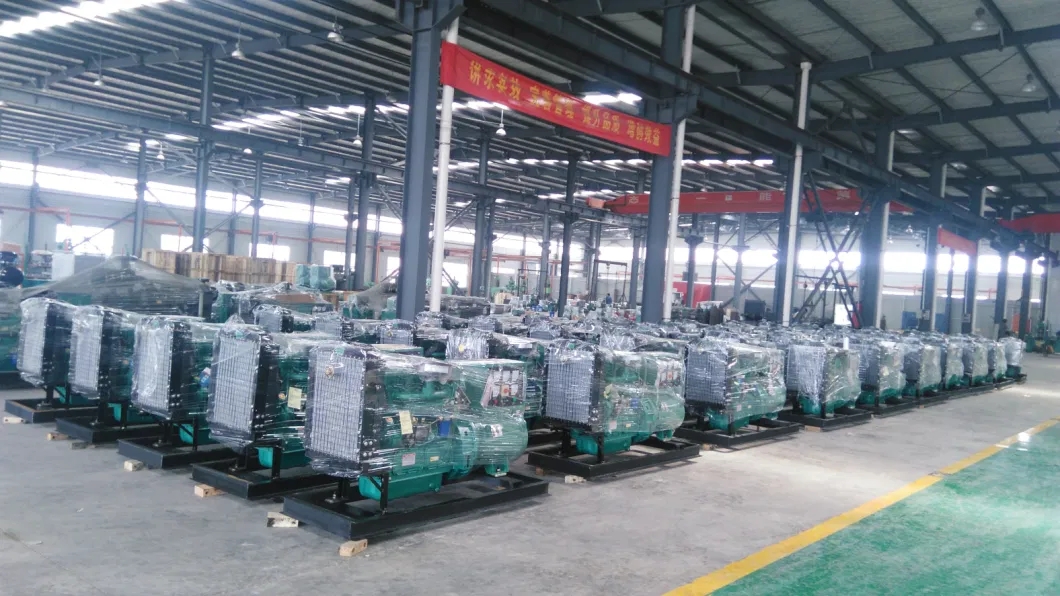
5. Altitude Compensation: Some modern diesel generators are equipped with altitude compensation systems that adjust the fuel-air ratio based on altitude to optimize engine performance. These systems help maintain consistent power output and efficiency across varying altitudes.
Strategies for Optimizing Diesel Generator Performance at High Altitudes
To overcome the challenges associated with high-altitude operation, several strategies can be employed to optimize the performance of diesel generators. These strategies include:
1. Engine Tuning: Proper engine tuning is essential for optimizing performance at high altitudes. Tuning adjustments may include optimizing fuel injection timing, adjusting turbocharger settings, and calibrating the air-fuel ratio to compensate for reduced air density.
2. Altitude Compensation Systems: Implementing altitude compensation systems in diesel generators can help maintain consistent power output and efficiency across different altitudes. These systems automatically adjust the fuel-air ratio based on altitude, ensuring optimal engine performance.
3. Air Intake System: Upgrading the air intake system of a diesel generator can improve performance at high altitudes. This may involve installing a high-altitude air filter or a turbocharger to enhance air intake and boost engine efficiency.
4. Cooling System Upgrades: Enhancing the cooling system of a diesel generator is crucial for reliable operation at high altitudes. Upgrades such as improved radiator design, additional cooling fans, or a more efficient cooling fluid can help prevent overheating and ensure optimal engine performance.
5. Fuel Quality: Using high-quality fuel is essential for the efficient operation of a diesel generator at high altitudes. Clean fuel with the right cetane rating and low sulfur content can improve combustion efficiency and reduce emissions.
6. Regular Maintenance: Regular maintenance and servicing are key to ensuring the optimal performance of a diesel generator at high altitudes. This includes checking and replacing filters, inspecting the fuel injection system, and monitoring engine parameters to detect any issues early.
Case Study: Diesel Generator Operation in the Himalayas
To illustrate the challenges and solutions for operating diesel generators at high altitudes, let's consider a case study of a power generation project in the Himalayas. The project involves setting up a diesel generator to provide electricity to a remote village located at an altitude of 4000 meters.
Challenges:
- Reduced air density and oxygen levels at high altitudes impacting engine performance.
- Risk of engine overheating due to inefficient cooling at lower air density.
- Fuel combustion issues leading to decreased power output and increased fuel consumption.
Strategies Implemented:
- Engine tuning adjustments to optimize fuel injection timing and turbocharger settings for high-altitude operation.
- Installation of an altitude compensation system to automatically adjust the fuel-air ratio based on altitude.
- Upgrading the air intake system with a high-altitude air filter to improve air intake efficiency.
- Enhancing the cooling system with improved radiator design and additional cooling fans to prevent overheating.
- Ensuring the use of high-quality fuel with the right specifications for optimal combustion.
Results:
- The diesel generator operated efficiently at high altitudes, providing reliable power to the remote village.
- Consistent power output and fuel efficiency were maintained across varying altitudes due to altitude compensation.
- Engine overheating issues were mitigated through cooling system upgrades, ensuring reliable operation in the challenging environment.
Conclusion
Operating a diesel generator at high altitudes presents unique challenges that can impact engine performance and efficiency. By understanding the factors affecting diesel generator operation at high altitudes and implementing appropriate strategies, operators can optimize performance and ensure reliable power generation in such environments. Engine tuning, altitude compensation systems, air intake upgrades, cooling system enhancements, fuel quality, and regular maintenance are key considerations for maximizing the performance of diesel generators at high altitudes. By addressing these factors, diesel generators can continue to serve as a dependable source of power in remote locations and challenging terrain, meeting the energy needs of various industries and communities.